


KOLKATA TIMES NEWS :
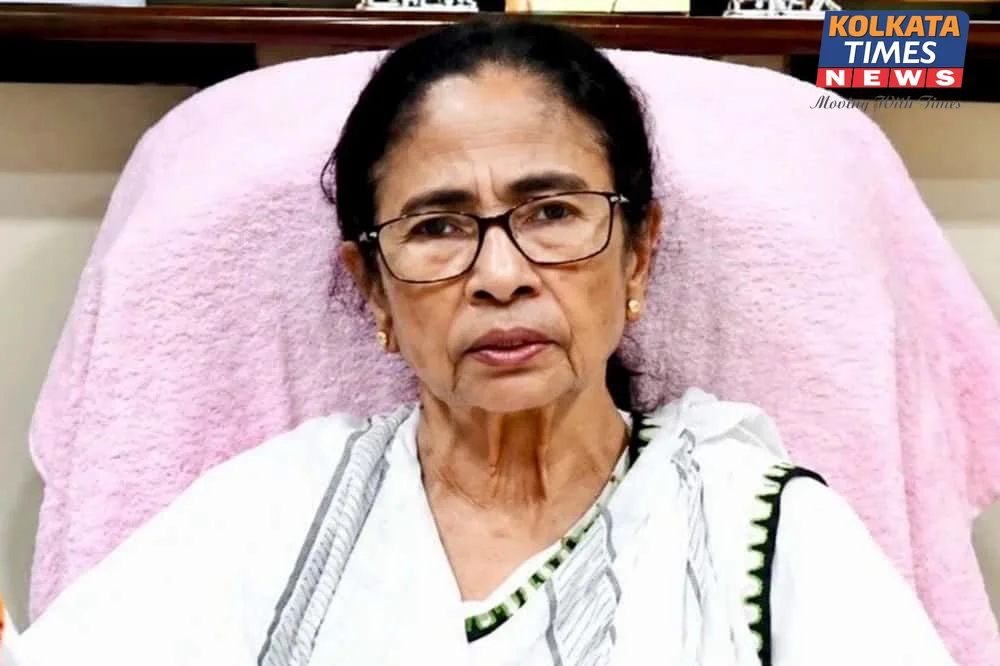
For years, former West Bengal Chief Minister Mamata Banerjee's Harish Chatterjee Street residence was more than a family home during Bhai Phonta. It was a political destination, where ministers, legislators and party loyalists queued up for a ceremonial mark from the woman who wielded unquestioned authority over Bengal's political establishment. Six months after losing power, however, the Trinamool Congress supremo has decided to call off the tradition. The missing Bhai phonta (Bhai Dooj) has become an intriguing metaphor for the changing fortunes of Didi and her diminished political circle.
Mamata, one of India's most recognisable and formidable regional political figures, has decided not to celebrate Bhai Phonta this year. "I am not celebrating Bhai Phonta this year," she announced, bringing an abrupt pause to a tradition that had evolved over the decades into an annual spectacle of political proximity and personal allegiance at her Kalighat residence.
Coming six months after the change of power in West Bengal, the decision has triggered considerable political chatter. This year, neither the familiar procession of Trinamool leaders and ministers nor even her own brothers will receive the customary phonta from Didi.
For a politician whose public image has long been built around the affectionate yet commanding persona of 'Didi', the decision carries an unusual symbolism. Mamata has traditionally projected herself as a leader with an intimate connection to ordinary people, grassroots workers and party loyalists. Her trademark simplicity, street-fighting political style and personal accessibility have been central to that image. Yet, the Bhai Phonta celebrations at her residence had gradually acquired a distinctly different character: an informal gathering that offered a glimpse into the hierarchy of power surrounding her.
This year, that familiar political theatre is missing.
Mamata's political journey from a combative opposition leader to the occupant of Writers' Buildings and subsequently Nabanna transformed the significance of her Kalighat residence.
During her years in opposition, her home was associated with political meetings, informal interactions and the close-knit circle of associates who helped shape the Trinamool Congress. After she became Chief Minister, the same address acquired an altogether different stature.
The annual Bhai Phonta gathering became one of the occasions when the proximity of individual leaders to the party supremo was publicly visible. The presence of figures such as the late Subrata Mukherjee, Sobhandeb Chattopadhyay, Firhad Hakim, Arup Roy and Javed Khan, or their absence, often generated speculation about their standing within the party.
An invitation was no longer merely an invitation to a festival. It was increasingly perceived as an acknowledgement of political importance. The scramble to secure a place among those receiving the ceremonial phonta became an unmistakable feature of the occasion.
Even the informal Dadhikarma ritual, traditionally held after Kali Puja, underwent a transformation. What began as an intimate gathering gradually acquired professional catering arrangements, elaborate organisation and stringent security as Mamata's political stature grew.
The Assembly election results declared on May 4 have dramatically altered the political landscape. The Trinamool Congress, once the dominant establishment in Bengal, is now confronting defections, fragmentation and the erosion of networks that had revolved around Mamata for years.
Several leaders, from MPs and municipal representatives to grassroots functionaries in the three-tier panchayat system, have reportedly distanced themselves from Kalighat. The aides, intermediaries and journalists who once occupied positions of proximity to the Trinamool supremo are also conspicuous by their absence.
Firhad Hakim and Arup Biswas, once regarded as influential figures in Mamata's inner circle, are no longer visible in their former positions of political prominence. Former minister Indranil Sen, meanwhile, is in jail.
For a leader whose political persona was built around the ability to command loyalty and mobilise crowds, the apparent thinning of her inner circle is particularly striking. The residence that once attracted a steady stream of VVIPs is now witnessing a markedly different political atmosphere.
The changing equations have reportedly extended beyond the Trinamool's organisational structure and reached Mamata's own family.
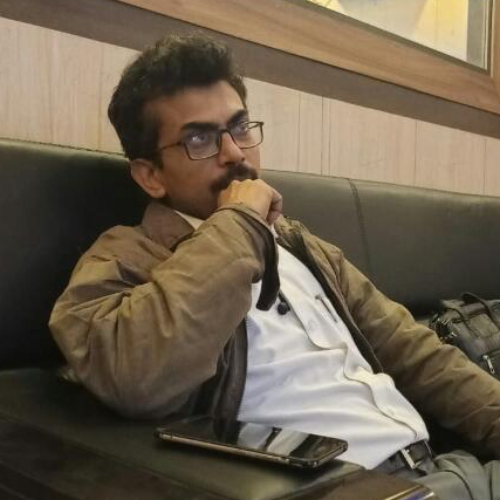
On the day of Dadhikarma, her younger brother Swapan Banerjee, popularly known as Babun, reportedly joined the camp of Chief Minister Suvendu Adhikari. The development added an uncomfortable personal dimension to the political churn surrounding the Banerjee family.
For Mamata, whose public identity has often been intertwined with her family background and her personal journey in politics, the reported political realignment of her younger brother is another reminder of how dramatically the equations have changed.
The absence of familiar faces at Kalighat has prompted an angry reaction from within the Trinamool Congress itself.
Party leader Kunal Ghosh took aim at those who once crowded around Mamata during the annual celebrations but have now seemingly disappeared.
"Where are those sycophants who used to flock to Didi's side every year? Won't those who once craned their necks, eager to receive the phota, feel any pangs now? They should have at least shown some common courtesy. They ought to have attended the puja at Didi's residence; they should have at least offered their respects during the post-Durga Puja Bijoya greetings. Whether they became MLAs, councillors or ministers, it was all thanks to Mamata Banerjee. Do you feel no shame now?" he asked.
The remarks reflect the resentment among sections of the Trinamool leadership over what they perceive as the sudden disappearance of loyalties that once appeared indispensable to the party supremo.
Chief Minister Suvendu Adhikari was quick to turn Mamata's decision into political ammunition.
Recalling the media frenzy that traditionally surrounded the Bhai Phonta celebrations at Kalighat, he remarked that journalists would leave their own sisters behind to stand outside Mamata's residence, covering the occasion with the intensity usually associated with the first or second rounds of election counting.
Perhaps, he suggested, Mamata could no longer recreate that atmosphere. Invoking the Mahabharata's famous Ashwatthama episode, he described the announcement as a half-truth intended to mislead.
Panchayat Minister Dilip Ghosh delivered an even sharper one-liner: "Everyone used to go there to receive the phonta of power. Now that power is gone, and so is the phonta."
The remarks underline how the annual ritual, once associated with Mamata's political stature, has now become an easy target for her opponents.
Amid the political sniping, veteran Trinamool leader Sobhandeb Chattopadhyay has remained firmly behind Mamata, making it clear that his association with her does not depend on an annual ceremonial gathering.
"Every year on this day, I visit Didi's home, and I will do so this year as well, regardless of whether the phota ceremony takes place or not. Our party leader has made the right decision. Grassroots-level party workers are being assaulted daily; they are facing arrests and being framed in false police cases. Under these circumstances, it is better that the Bhai Phonta ceremony does not take place," he said.
His remarks offer a contrasting picture of loyalty at a time when the Trinamool's political ecosystem is undergoing considerable turbulence.
While Kalighat will miss its customary celebrations, a different political gathering is scheduled at Trinamool Bhavan in Metropolitan, near the Eastern Metropolitan Bypass.
Chandrima Bhattacharya has organised a special Bhai Phonta programme under the banner of the Democratic Trinamool Congress, a rival faction of the Bengal’s erstwhile ruling party. Political observers are watching to see whether familiar Kalighat regulars such as Arup Biswas, Firhad Hakim and Javed Khan will attend.
Their presence or absence could provide another indication of the changing equations within the Trinamool camp. The parallel gathering also presents an interesting contrast to Mamata's decision to discontinue the traditional celebrations at her residence.
Kamarhati MLA Madan Mitra offered perhaps the most colourful explanation for the disappearance of the crowds that once gathered at Kalighat.
"The gravitational pull of Mamata Banerjee has now shifted in the opposite direction. That is why the massive crowds that usually gathered to receive the Bhai Phonta from her are absent this time," he remarked.
Mitra also suggested that the excessive importance attached to the ritual in previous years had contributed to the present situation. Recalling his own experience, he said that he, too, had often remained on the sidelines during the celebrations and had never been part of the core committee.
For years, Mamata Banerjee's image in India's political landscape has been that of a street-smart political fighter, an uncompromising regional satrap and a leader capable of building an intensely personal relationship with her supporters. The Bhai Phonta gathering at Kalighat became an extension of that persona, combining familial warmth with the unmistakable symbolism of political patronage.
This year, however, the ritual has been called off amid a changed political reality. Whether the decision is personal, political or a combination of both, its symbolism is difficult to ignore.
The woman who once presided over a crowded political durbar at Kalighat has chosen to shut its doors to the customary Bhai Phonta congregation. And in Bengal's unforgiving political theatre, even the absence of a ceremonial phonta has become a statement about the changing currency of power and loyalty.
ক্ষমতার পালাবদলে বদলে গেল কালীঘাটের ভাইফোঁটার ছবিও! উৎসব বন্ধ রাখলেন মমতা, অনুপস্থিত পুরনো রাজনৈতিক বৃত্ত !
তৃণমূল কর্মীদের উপর হামলা ও গ্রেফতারের প্রতিবাদে অনুষ্ঠান না করার ব্যাখ্যা কুণাল ঘোষের; অন্যদিকে মমতার ভাই বাবুনের কালীপুজোয় মুখ্যমন্ত্রী শুভেন্দু অধিকারীর উপস্থিতি ঘিরে নতুন রাজনৈতিক বার্তা
কলকাতা টাইমস নিউজ ডেস্ক:
একসময় কালীঘাটের হরিশ চ্যাটার্জি স্ট্রিটে ভাইফোঁটার দিন মানেই ছিল রাজনৈতিক মহলের বিশেষ নজর। সকাল থেকেই বাড়ির সামনে ভিড় জমাতেন তৃণমূলের নেতা, মন্ত্রী, বিধায়ক, সাংসদ থেকে শুরু করে পরিচিত সাংস্কৃতিক ব্যক্তিত্বরা। মমতা বন্দ্যোপাধ্যায়ের হাত থেকে ফোঁটা নেওয়া ছিল অনেকের কাছে নিছক উৎসবের রীতি নয়, বরং নেত্রীর ঘনিষ্ঠ বৃত্তে নিজের অবস্থান জানান দেওয়ারও একটি উপলক্ষ। সেই পরিচিত ছবিতে এ বছর বড়সড় ছেদ পড়ল। ১১ নভেম্বর ভাইফোঁটার দিন কালীঘাটের বাড়িতে আনুষ্ঠানিক ফোঁটার আয়োজন করলেন না প্রাক্তন মুখ্যমন্ত্রী মমতা বন্দ্যোপাধ্যায়।
তবে এই সিদ্ধান্তের কারণ হিসেবে শুধু ক্ষমতা হারানোর পর রাজনৈতিক সমীকরণ বদলে যাওয়াকে সামনে রাখা ঠিক হবে না। তৃণমূল বিধায়ক ও মুখপাত্র কুণাল ঘোষ জানিয়েছেন, বিধানসভা নির্বাচনের পর রাজ্যজুড়ে দলের কর্মী-সমর্থকদের উপর হামলা, পুলিশি হয়রানি এবং মিথ্যা মামলায় গ্রেফতারের অভিযোগের প্রতিবাদেই মমতা এ বছর বিজয়া সম্মিলনী ও ভাইফোঁটার অনুষ্ঠান থেকে বিরত থাকার সিদ্ধান্ত নিয়েছেন। পারিবারিক কালীপুজো হয়েছে, কিন্তু ভাইফোঁটার কোনও আনুষ্ঠানিক আয়োজন রাখা হয়নি। সৌজন্য সাক্ষাতের জন্য কেউ এলে বাধা নেই বলেও কুণাল জানিয়েছেন।
এই সিদ্ধান্তের রাজনৈতিক তাৎপর্য অবশ্য অস্বীকার করা যায় না। কারণ, ২০২৬ সালের বিধানসভা নির্বাচনের ফলের পর বাংলার ক্ষমতার কেন্দ্র বদলে গিয়েছে। বিজেপি ২৯৪ আসনের বিধানসভায় ২০৮টি আসন পেয়ে সরকার গঠন করেছে, আর তৃণমূল নেমে এসেছে ৮০ আসনে। মমতা বন্দ্যোপাধ্যায় নিজেও ভবানীপুরে শুভেন্দু অধিকারীর কাছে পরাজিত হয়েছেন। সেই ফলের পর থেকেই তৃণমূলের সাংগঠনিক কাঠামো, নেতৃত্বের অবস্থান এবং রাজনৈতিক আনুগত্যের সমীকরণে একাধিক পরিবর্তন সামনে এসেছে।
কালীঘাটের ভাইফোঁটা তাই এ বছর কেবল একটি উৎসব বন্ধ থাকার খবর নয়; এটি এমন এক রাজনৈতিক সময়ের প্রতিচ্ছবি, যখন ব্যক্তিগত ঘনিষ্ঠতা, দলীয় আনুগত্য এবং ক্ষমতার কেন্দ্র—তিনটিই নতুন করে আলোচনায়।
কালীঘাটের পুরনো ভিড় কোথায়?
২০১১ সালে রাজ্যে ক্ষমতায় আসার পর থেকে মমতার বাড়ির ভাইফোঁটা ক্রমশ রাজনৈতিক ক্যালেন্ডারের একটি পরিচিত ঘটনায় পরিণত হয়েছিল। তৃণমূলের শীর্ষ নেতৃত্বের একাধিক মুখ সেখানে হাজির হতেন। প্রয়াত সুব্রত মুখোপাধ্যায় ছিলেন এই অনুষ্ঠানের পরিচিত মুখ। ফিরহাদ হাকিম, অরূপ বিশ্বাস, ইন্দ্রনীল সেন, ডেরেক ও’ব্রায়েন, কল্যাণ বন্দ্যোপাধ্যায়ের মতো নেতাদের উপস্থিতিও সংবাদমাধ্যমের নজর কাড়ত। উৎসবের এই আয়োজনের মধ্যে দিয়ে দলের অভ্যন্তরে কার সঙ্গে নেত্রীর সম্পর্ক কতটা ঘনিষ্ঠ, তা নিয়েও নানা আলোচনা চলত।
কিন্তু ২০২৬ সালের রাজনৈতিক পালাবদলের পর সেই পরিচিত বৃত্তে বড় পরিবর্তন এসেছে। তৃণমূলের অন্দরে বিদ্রোহী শিবিরের উত্থান, বিধায়ক ও সাংসদদের একাংশের অবস্থান বদল এবং দলের সাংগঠনিক কর্তৃত্ব নিয়ে টানাপড়েন মমতার নেতৃত্বকে নতুন চ্যালেঞ্জের মুখে ফেলেছে। জুন মাসে ঋতব্রত বন্দ্যোপাধ্যায়ের নেতৃত্বে বিদ্রোহী গোষ্ঠী পৃথক সাংগঠনিক কাঠামো ঘোষণা করে। সেই গোষ্ঠীতে ফিরহাদ হাকিম ও অরূপ বিশ্বাসের মতো একদা মমতার ঘনিষ্ঠ নেতাদেরও দেখা যায়। পরে তাঁদের কয়েকজনকে তৃণমূলের মমতা-নেতৃত্বাধীন শিবির বহিষ্কার করে। ফলে কালীঘাটের পুরনো রাজনৈতিক সমীকরণ যে আর আগের জায়গায় নেই, তা স্পষ্ট।
তবে এই পরিবর্তনকে শুধুমাত্র ভাইফোঁটার অনুষ্ঠানে অনুপস্থিতির সঙ্গে মিলিয়ে দেখা যাবে না। দলের অভ্যন্তরীণ বিভাজন, নেতৃত্বের প্রশ্ন এবং নির্বাচনের পর রাজনৈতিক অবস্থান বদল—সব মিলিয়ে তৈরি হয়েছে বৃহত্তর সংকট। উৎসবের মঞ্চে সেই সংকটের প্রতিফলন দেখা গেলেও তার কারণ অনেক গভীরে।
বাবুনের কালীপুজোয় শুভেন্দু, নতুন রাজনৈতিক ছবি
ভাইফোঁটার আগের দিন, ১০ নভেম্বর সন্ধ্যায় কালীঘাটের হরিশ চ্যাটার্জি স্ট্রিটে আর একটি ঘটনা রাজনৈতিক আলোচনায় নতুন মাত্রা যোগ করে। মমতার দীর্ঘদিনের বিচ্ছিন্ন সম্পর্কের ভাই স্বপন বন্দ্যোপাধ্যায়, যিনি বাবুন নামে পরিচিত, তাঁর উদ্যোগে আয়োজিত কালীপুজোয় হাজির হন বর্তমান মুখ্যমন্ত্রী শুভেন্দু অধিকারী। মমতার বাড়ির খুব কাছেই ওই পুজোর আয়োজন হয়েছিল। বাবুন শুভেন্দুকে স্বাগত জানান, পা ছুঁয়ে প্রণাম করেন এবং প্রকাশ্যে তাঁর পাশে থাকার বার্তা দেন।
এই ঘটনা নিছক পুজোর সৌজন্য সাক্ষাৎ হিসেবে সীমাবদ্ধ থাকেনি। বাবুন সংবাদমাধ্যমকে জানান, শুভেন্দু অধিকারী তাঁর কাছে ‘দাদা’ এবং তিনি তাঁর সঙ্গে থাকতে চান। এমনকি শুভেন্দু চাইলে তাঁর দলে যোগ দেওয়ার কথাও বলেন। একই সঙ্গে বাবুন জানান, মমতা এখন তাঁকে ভাইফোঁটার আমন্ত্রণ জানান না; ভবিষ্যতে আমন্ত্রণ জানালেও তিনি যাবেন না।
তবে এই পারিবারিক দূরত্বের সূত্রপাত সাম্প্রতিক ক্ষমতার পালাবদলে নয়। ২০২৪ সালের লোকসভা নির্বাচনে হাওড়ার তৃণমূল প্রার্থী প্রসূন বন্দ্যোপাধ্যায়ের পুনর্নির্বাচন নিয়ে আপত্তি এবং নিজে প্রার্থী হওয়ার ইচ্ছা প্রকাশের পর থেকেই মমতা ও বাবুনের সম্পর্কে প্রকাশ্য টানাপড়েন তৈরি হয়েছিল। সেই সময় মমতা প্রকাশ্যেই তাঁর সঙ্গে সম্পর্ক ছিন্ন করার কথা বলেছিলেন বলে সংবাদমাধ্যমে প্রকাশিত হয়। ফলে ২০২৬ সালের রাজনৈতিক পরিবর্তনের সঙ্গে পারিবারিক দূরত্বকে এক করে দেখলে ঘটনাটির পূর্ণ প্রেক্ষাপট ধরা পড়বে না।
‘ক্ষমতার ফোঁটা’—বিরোধীদের কটাক্ষ
মমতার বাড়িতে ভাইফোঁটার অনুষ্ঠান না হওয়ার সিদ্ধান্তকে রাজনৈতিক আক্রমণের হাতিয়ার করতে দেরি করেনি বিজেপি। রাজ্যের পঞ্চায়েতমন্ত্রী দিলীপ ঘোষ কটাক্ষ করে বলেন, এতদিন অনেকে মমতার কাছে ফোঁটা নিতে যেতেন ক্ষমতার জন্য। এখন সেই ক্ষমতা নেই, তাই ফোঁটার আয়োজনও নেই। তাঁর বক্তব্য, যাঁরা আগে নিয়মিত কালীঘাটে যেতেন, তাঁরা আসলে মুখ্যমন্ত্রীর কাছেই যেতেন, মমতা বন্দ্যোপাধ্যায়ের কাছে নয়।
এই মন্তব্যের মধ্য দিয়ে বিজেপি শিবির বোঝাতে চাইছে, রাজনৈতিক ক্ষমতা হারানোর সঙ্গে সঙ্গেই মমতার চারপাশের পরিচিত আনুগত্যের বলয়ও দুর্বল হয়েছে। অন্যদিকে তৃণমূলের বক্তব্য, দলীয় কর্মীদের উপর হামলা, গ্রেফতার এবং পুলিশি হয়রানির অভিযোগের প্রতিবাদ হিসেবেই উৎসবের অনুষ্ঠান বন্ধ রাখা হয়েছে। অর্থাৎ একই ঘটনাকে দুই শিবির সম্পূর্ণ ভিন্ন রাজনৈতিক ব্যাখ্যায় তুলে ধরছে।
কুণাল ঘোষের বক্তব্যেও এই দ্বৈত সুরের প্রতিফলন রয়েছে। একদিকে তিনি আনুষ্ঠানিকভাবে জানিয়েছেন, কর্মীদের পরিস্থিতির সঙ্গে সংহতি জানিয়ে মমতা ভাইফোঁটা পালন করছেন না। অন্যদিকে, যাঁরা আগে নিয়মিত কালীঘাটে ভিড় করতেন, তাঁদের অনুপস্থিতি নিয়ে তিনি ‘গদ্দার’ শব্দ ব্যবহার করে কটাক্ষ করেছেন বলে সংবাদমাধ্যমে প্রকাশিত হয়েছে। তবে মমতার সিদ্ধান্তের সরকারি বা ব্যক্তিগত ব্যাখ্যা হিসেবে কুণালের বক্তব্যকেই সামনে রাখা হয়েছে; নেত্রীর নিজস্ব কোনও বিস্তারিত বিবৃতি এখনও প্রকাশ্যে আসেনি।
উৎসবের অনুপস্থিতি কি আনুগত্যেরও পরীক্ষা?
বাংলার রাজনীতিতে ব্যক্তিগত সম্পর্ক ও রাজনৈতিক আনুগত্য বহু সময় পাশাপাশি চলেছে। মমতা বন্দ্যোপাধ্যায়ের ক্ষেত্রেও তাঁর ‘দিদি’ পরিচয় কেবল জনসংযোগের একটি কৌশল ছিল না; তা তাঁর রাজনৈতিক ব্যক্তিত্বের গুরুত্বপূর্ণ অংশ হয়ে উঠেছিল। সাধারণ মানুষের সঙ্গে সহজ যোগাযোগ, দলীয় কর্মীদের সঙ্গে ব্যক্তিগত সম্পর্ক এবং নেতাদের সঙ্গে ঘনিষ্ঠতার প্রকাশ—সব মিলিয়ে কালীঘাটের বাড়ি হয়ে উঠেছিল রাজনৈতিক যোগাযোগের একটি প্রতীকী কেন্দ্র।
সেই বাড়ির ভাইফোঁটা তাই সময়ের সঙ্গে পারিবারিক উৎসবের গণ্ডি ছাড়িয়ে রাজনৈতিক তাৎপর্য পেয়েছিল। কে ফোঁটা পেলেন, কে গেলেন না, কাকে আমন্ত্রণ জানানো হল—এসব নিয়েও আলোচনা হত। এ বছর অনুষ্ঠান না হওয়ায় সেই পরিচিত দৃশ্যের অবসান ঘটেছে। কিন্তু এর অর্থ মমতার রাজনৈতিক অধ্যায় শেষ হয়ে যাওয়া নয়। বরং নির্বাচনে পরাজয়, দলীয় বিভাজন এবং সাংগঠনিক পুনর্গঠনের মধ্য দিয়ে তাঁকে এখন নতুন রাজনৈতিক বাস্তবতার মুখোমুখি হতে হচ্ছে।
কালীঘাটে এ বছরের ভাইফোঁটা না হওয়া তাই একদিকে কর্মীদের প্রতি সংহতির রাজনৈতিক বার্তা, অন্যদিকে ক্ষমতার পরিবর্তনের পর পুরনো সম্পর্ক ও আনুগত্যের নতুন হিসেবের প্রতীক। বাংলার রাজনীতিতে উৎসবও যে কখনও কখনও ক্ষমতার ভাষা হয়ে ওঠে, এ বছরের ভাইফোঁটা তারই এক উল্লেখযোগ্য উদাহরণ।
 Continue With Google
Comments (0)