




কলকাতা টাইমস নিউজ ডেস্ক:
সিলিগুড়ি করিডরে চারটি ভূ-পৃষ্ঠের লাইন ও দুটি ভূগর্ভস্থ লাইনের পরিকল্পনা; টিন মাইল হাট থেকে রাঙাপানি পর্যন্ত প্রায় ৪০ কিলোমিটার ভূগর্ভস্থ রেলপথকে ঘিরে কৌশলগত গুরুত্ব
উত্তর-পূর্ব ভারতের সঙ্গে দেশের মূল ভূখণ্ডের যোগাযোগের অন্যতম গুরুত্বপূর্ণ সেতু উত্তরবঙ্গের সিলিগুড়ি করিডর। ভৌগোলিক অবস্থানের কারণে দীর্ঘদিন ধরেই এই সরু ভূখণ্ডকে দেশের অন্যতম স্পর্শকাতর কৌশলগত অঞ্চল হিসেবে বিবেচনা করা হয়। এবার সেই ‘চিকেনস নেক’-এর রেল পরিকাঠামোকে আরও শক্তিশালী করার পরিকল্পনা সামনে এল। কেন্দ্রীয় রেলমন্ত্রকের পরিকল্পনায় এই করিডরে বিদ্যমান রেলপথকে চার লাইনে উন্নীত করার পাশাপাশি প্রায় ৪০ কিলোমিটার দীর্ঘ ভূগর্ভস্থ রেলপথ তৈরির উদ্যোগ নেওয়া হয়েছে।
রেলমন্ত্রী অশ্বিনী বৈষ্ণব চলতি বছরের ফেব্রুয়ারিতে জানিয়েছিলেন, উত্তর-পূর্বাঞ্চলের সঙ্গে দেশের বাকি অংশের সংযোগকারী এই কৌশলগত করিডরে বিশেষ পরিকল্পনা নেওয়া হচ্ছে। পরিকল্পনাটি বাস্তবায়িত হলে এই অংশে চারটি ভূ-পৃষ্ঠের রেললাইন এবং দুটি ভূগর্ভস্থ লাইন—মোট ছয়টি রেলপথের পরিকাঠামো তৈরি হতে পারে।
প্রস্তাবিত ভূগর্ভস্থ অংশটি টিন মাইল হাট থেকে রাঙাপানি পর্যন্ত বিস্তৃত হওয়ার কথা। রেল আধিকারিকদের বক্তব্য অনুযায়ী, নিরাপত্তার দিক থেকে এই ভূগর্ভস্থ অংশ বিশেষ গুরুত্বপূর্ণ। পরিকল্পনা অনুযায়ী, প্রায় ২০ থেকে ২৪ মিটার গভীরে এই রেলপথ নির্মাণের কথা ভাবা হয়েছে। একটি লাইন বাগডোগরার দিকে যাওয়ার পরিকল্পনাও রয়েছে, যা সামরিক ও বিমান প্রতিরক্ষা ব্যবস্থার দিক থেকে গুরুত্বপূর্ণ বলে রেল কর্তারা জানিয়েছেন।
সিলিগুড়ি করিডরকে কেন এত গুরুত্বপূর্ণ মনে করা হয়, তার উত্তর লুকিয়ে রয়েছে মানচিত্রেই। উত্তরবঙ্গের এই সরু ভূখণ্ড দিয়েই দেশের মূল অংশের সঙ্গে অসম, অরুণাচল প্রদেশ, মেঘালয়, মণিপুর, মিজোরাম, নাগাল্যান্ড, ত্রিপুরা-সহ উত্তর-পূর্বের রাজ্যগুলির স্থল যোগাযোগ বজায় থাকে। করিডরের সবচেয়ে সরু অংশের প্রস্থ প্রায় ২০ কিলোমিটারের কিছু বেশি। ফলে কোনও প্রাকৃতিক দুর্যোগ, পরিকাঠামোগত বিপর্যয় বা নিরাপত্তাজনিত পরিস্থিতিতে যোগাযোগ ব্যবস্থা ব্যাহত হলে তার প্রভাব পড়তে পারে গোটা উত্তর-পূর্বাঞ্চলের উপর।
এই কারণেই শুধু যাত্রী পরিবহণ নয়, সামরিক সরঞ্জাম, জ্বালানি, খাদ্যশস্য, শিল্পপণ্য এবং অন্যান্য প্রয়োজনীয় সামগ্রীর দ্রুত পরিবহণের জন্য এই রেলপথের সক্ষমতা বৃদ্ধি অত্যন্ত গুরুত্বপূর্ণ। ভূগর্ভস্থ রেলপথের পরিকল্পনা সেই কৌশলগত বিকল্প যোগাযোগ ব্যবস্থা তৈরির বৃহত্তর ভাবনার অংশ বলেই মনে করা হচ্ছে। তবে এই প্রকল্প এখনও পরিকল্পনা ও বাস্তবায়নের প্রস্তুতি পর্যায়ে রয়েছে; তাই চূড়ান্ত সময়সীমা, ব্যয় এবং নির্মাণের বিস্তারিত নকশা সম্পর্কে আরও সরকারি ঘোষণা প্রয়োজন।
শুধু ‘চিকেনস নেক’ নয়, উত্তরবঙ্গ এবং উত্তর-পূর্বের বৃহত্তর রেল নেটওয়ার্ককেও একাধিক স্তরে শক্তিশালী করার কাজ চলছে। মালদহ থেকে নিউ জলপাইগুড়ি পর্যন্ত গুরুত্বপূর্ণ রেল সংযোগের সক্ষমতা বাড়ানো, বারসই অঞ্চলে ডাবলিংয়ের কাজ এবং বিভিন্ন গুরুত্বপূর্ণ রুটে পরিকাঠামো সম্প্রসারণের উপর জোর দেওয়া হচ্ছে। এর লক্ষ্য একদিকে যাত্রী পরিষেবা বাড়ানো, অন্যদিকে ক্রমবর্ধমান পণ্য পরিবহণের চাপ সামলানো।
নিউ জলপাইগুড়ি স্টেশনের পুনর্গঠনও এই বৃহত্তর রেল উন্নয়ন পরিকল্পনার গুরুত্বপূর্ণ অংশ। স্টেশনটিকে আধুনিক পরিকাঠামোয় গড়ে তোলার কাজ এগোচ্ছে। উত্তরবঙ্গের পর্যটন, বাণিজ্য এবং উত্তর-পূর্ব ভারতের সঙ্গে যোগাযোগের ক্ষেত্রে নিউ জলপাইগুড়ির ভূমিকা অত্যন্ত গুরুত্বপূর্ণ হওয়ায় এই স্টেশন আধুনিকীকরণের প্রভাবও বহুমুখী হতে পারে।
এর পাশাপাশি সীমান্তবর্তী এবং অপেক্ষাকৃত প্রত্যন্ত অঞ্চলের যোগাযোগ উন্নত করার জন্য নতুন লোকাল পরিষেবা চালুর পরিকল্পনাও রয়েছে। যোগবাণী, রাধিকাপুর ও বালুরঘাটের মতো জায়গা থেকে নতুন পরিষেবা চালুর উদ্যোগ সীমান্তবর্তী এলাকার সাধারণ মানুষের যাতায়াত এবং স্থানীয় অর্থনীতির জন্য গুরুত্বপূর্ণ হয়ে উঠতে পারে।
রেলের আধুনিকীকরণের আরেকটি গুরুত্বপূর্ণ দিক হল বৈদ্যুতিকীকরণ। উত্তর-পূর্ব সীমান্ত রেলের বিস্তীর্ণ নেটওয়ার্কে বৈদ্যুতিক ট্রেন পরিষেবা সম্প্রসারণের উপর জোর দেওয়া হচ্ছে। দ্রুতগামী ট্রেন পরিষেবার পাশাপাশি ভবিষ্যতে উত্তর-পূর্বের আরও প্রান্তিক অঞ্চলে আধুনিক ট্রেন পরিষেবা পৌঁছে দেওয়ার পরিকল্পনাও রয়েছে।
বন্দে ভারত পরিষেবার ক্ষেত্রেও উত্তর-পূর্বকে আরও বিস্তৃত নেটওয়ার্কের সঙ্গে যুক্ত করার পরিকল্পনা রয়েছে। গুয়াহাটি থেকে আরও পূর্বদিকে তিনসুকিয়া এবং ত্রিপুরার আগরতলা পর্যন্ত পরিষেবা সম্প্রসারণের সম্ভাবনা নিয়ে আলোচনা হয়েছে। এর ফলে উত্তর-পূর্বের গুরুত্বপূর্ণ শহরগুলির সঙ্গে দেশের অন্যান্য অংশের দ্রুত যোগাযোগ আরও সহজ হতে পারে।
তবে সিলিগুড়ি করিডরের সবচেয়ে বড় বৈশিষ্ট্য হল এর কৌশলগত গুরুত্ব। গত কয়েক বছরে এই অঞ্চলের বিকল্প যোগাযোগ ব্যবস্থা এবং পরিকাঠামো নিয়ে আলোচনা আরও বেড়েছে। রেলপথের পাশাপাশি সড়ক, বিমান এবং অন্যান্য পরিবহণ পরিকাঠামোকে সমন্বিত করে একটি শক্তিশালী যোগাযোগ ব্যবস্থা গড়ে তোলার প্রয়োজনীয়তা বারবার সামনে এসেছে।
বিশেষ করে সীমান্তবর্তী অঞ্চলে কোনও একটি যোগাযোগ ব্যবস্থার উপর অতিরিক্ত নির্ভরশীলতা ঝুঁকি বাড়াতে পারে। তাই একাধিক রেললাইন, ভূগর্ভস্থ সংযোগ এবং বিকল্প রুট তৈরি হলে ভবিষ্যতে যোগাযোগ ব্যবস্থা আরও স্থিতিস্থাপক হওয়ার সম্ভাবনা রয়েছে। পরিকল্পিত ভূগর্ভস্থ অংশটি সেই কারণেই শুধু একটি রেল প্রকল্প নয়, বরং জাতীয় নিরাপত্তা ও লজিস্টিক ব্যবস্থার বৃহত্তর পরিকাঠামোর অংশ হিসেবে দেখা হচ্ছে।
তবে পরিকল্পনা থেকে বাস্তবায়নের পথ দীর্ঘ। ভূগর্ভস্থ রেলপথ নির্মাণে ভূতাত্ত্বিক সমীক্ষা, বিস্তারিত প্রকল্প রিপোর্ট, পরিবেশগত ও অন্যান্য অনুমোদন, প্রযুক্তিগত পরিকল্পনা এবং বিপুল অর্থের প্রয়োজন হবে। ফলে প্রকল্প ঘোষণার পর তার বাস্তব অগ্রগতি কত দ্রুত হয়, সেটিই হবে আসল পরীক্ষা।
একদিকে উত্তর-পূর্ব ভারতের অর্থনৈতিক বিকাশ, অন্যদিকে সীমান্ত নিরাপত্তা—দুই দিক থেকেই সিলিগুড়ি করিডরের গুরুত্ব আগামী দিনে আরও বাড়বে। ফলে ‘চিকেনস নেক’-এর উপর নির্ভরতা কমিয়ে একাধিক স্তরের রেল যোগাযোগ ব্যবস্থা তৈরি করতে পারলে তা শুধু ট্রেন চলাচলের গতি বাড়াবে না, বরং উত্তর-পূর্ব ভারতের সঙ্গে দেশের মূল ভূখণ্ডের সংযোগকে আরও শক্তিশালী ও নির্ভরযোগ্য করে তুলতে পারে।
এখন নজর থাকবে, ঘোষিত পরিকল্পনা কত দ্রুত বিস্তারিত প্রকল্পে রূপ নেয় এবং কবে থেকে মাটিতে তার বাস্তব কাজ শুরু হয়। কারণ ‘চিকেনস নেক’-এর মতো কৌশলগত অঞ্চলে রেলপথের প্রতিটি নতুন লাইন শুধু উন্নয়নের প্রতীক নয়—তা দেশের নিরাপত্তা, অর্থনীতি এবং উত্তর-পূর্ব ভারতের ভবিষ্যৎ যোগাযোগের সঙ্গেও সরাসরি যুক্ত।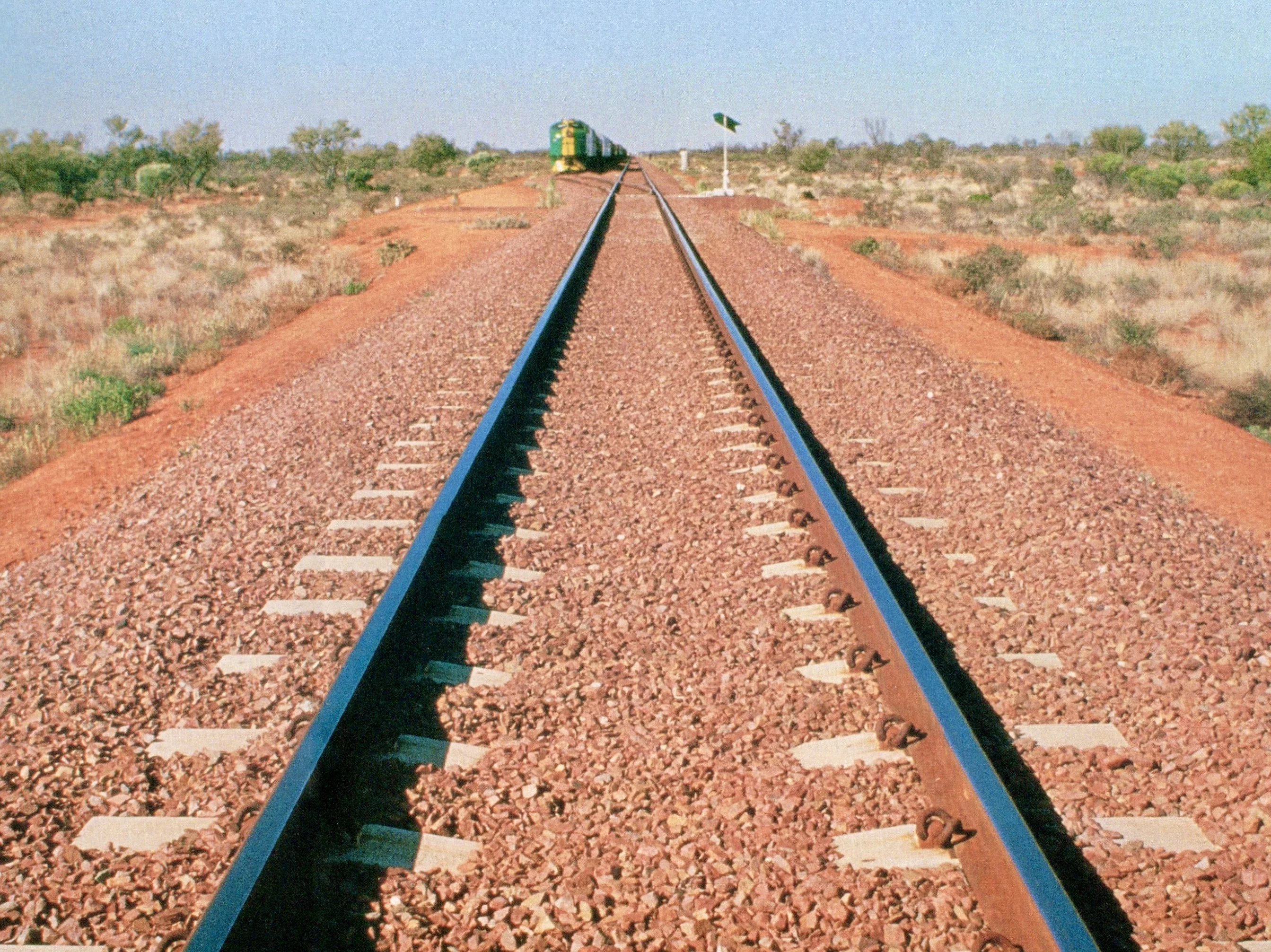
Fourth Rail Line Plan for Siliguri’s ‘Chicken’s Neck’: India Moves to Strengthen Northeast Connectivity
Kolkata Times News Desk:
A proposed 40-km underground rail section between Tin Mile Haat and Rangapani could create a six-line rail corridor with four surface and two underground tracks !
India is preparing to significantly strengthen railway infrastructure through the strategically important Siliguri Corridor, popularly known as the “Chicken’s Neck”, which provides the principal land connection between the Northeast and the rest of the country.
The Centre has announced plans to expand the existing railway infrastructure through the corridor to four surface lines while also planning approximately 40 kilometres of underground railway tracks. Railway Minister Ashwini Vaishnaw said in February that special planning was underway for the strategic corridor.
According to Northeast Frontier Railway officials, the proposed underground section would run between Tin Mile Haat and Rangapani in West Bengal. The underground tracks are expected to be constructed around 20 to 24 metres below ground level. One of the planned lines would move towards Bagdogra, which has strategic importance because of its defence infrastructure.
If implemented as planned, the corridor could eventually have six railway tracks—four above ground and two underground. Such a configuration would substantially increase capacity while providing an additional layer of resilience to one of India’s most strategically sensitive transport corridors.
The Siliguri Corridor is crucial because it links mainland India with the northeastern states. Its narrow geography has long made it an important consideration in national security and logistics planning. Any major disruption to the corridor could have consequences for passenger movement, freight transportation and the movement of essential supplies.
The proposed underground railway is therefore being viewed not merely as a capacity-enhancement project but as part of a broader strategy to make the Northeast’s connectivity more resilient.
Railway infrastructure in the wider region is also undergoing expansion. Capacity augmentation, doubling and other infrastructure works are being pursued along important routes, while New Jalpaiguri railway station is undergoing redevelopment.
Additional local services have also been proposed for areas such as Jogbani, Radhikapur and Balurghat, which could improve connectivity to border and relatively remote regions.
The railway network in the Northeast is also moving towards greater electrification and expansion of electric train operations. Plans to extend faster train connectivity towards destinations such as Tinsukia and Agartala could further integrate the region with the national railway network.
The strategic importance of the Siliguri Corridor has increased the focus on creating multiple and more resilient transport links. Railways, roads and air connectivity are increasingly being viewed as interconnected elements of a larger regional infrastructure strategy.
However, the underground railway proposal remains a major infrastructure undertaking. Detailed surveys, project reports, technical assessments, clearances, financing and construction planning will determine how quickly the proposal can move from an announcement to actual implementation. A recent analysis also noted that the underground proposal still requires an implementation framework, including feasibility work and a detailed project report.
For the Northeast, the significance of the project goes beyond faster trains. A stronger Siliguri rail network could improve passenger mobility, freight movement, logistics efficiency and strategic resilience.
The real test, however, will be execution. If the proposed infrastructure is completed successfully, the “Chicken’s Neck” could evolve from being perceived primarily as a strategic vulnerability into a much stronger and more resilient transportation corridor connecting the Northeast with the rest of India.









 Continue With Google
Comments (0)